Where does leonardite come from?
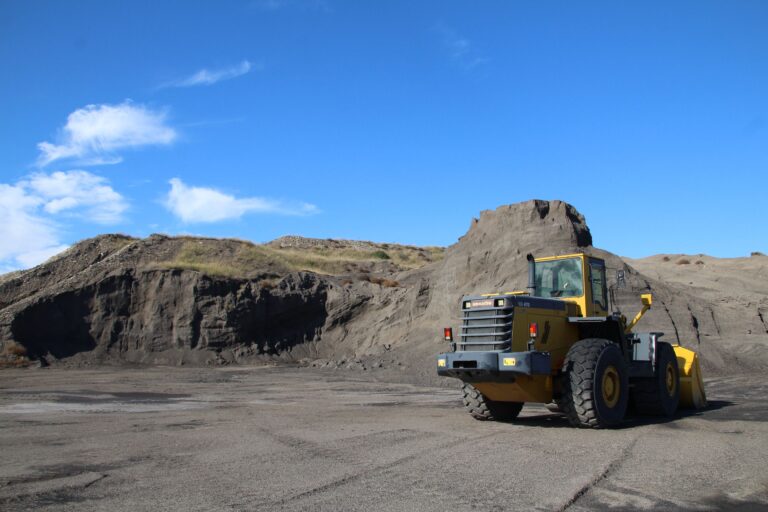
When we talk about leonardite, we are referring to a form of humic acids that originate from vegetation that existed during the Carboniferous period. This means we are referring to a process that began around 280 million years ago, in which the carbonization of those materials became the fundamental building element.
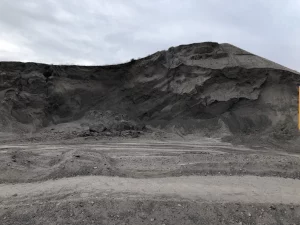
During this process, the organic juices were gradually released, originally forming shallow lagoons that also underwent carbonization, giving rise to Leonardite. Over the millions of years of its formation, Leonardite has been subjected to multiple physical, chemical, and microbiological actions, eventually reaching the form we know today.
The name leonardite is a tribute to Dr. A.G. Leonard, the first director of the North Dakota Geological Survey and the first scientist to study the properties of this substance.
What is leonardite?
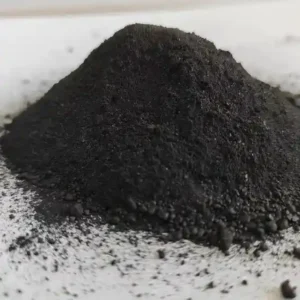
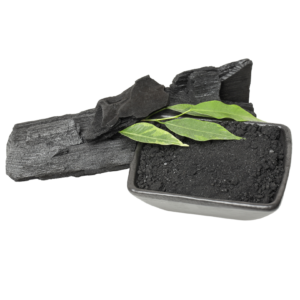
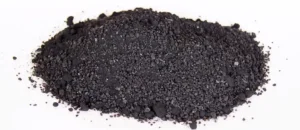
Leonardite is a soft, waxy, black or brown mineraloid with a shiny, vitreous appearance that is easily soluble in alkaline solutions. It is an oxidation product of lignite, associated with near-surface mining. It is a rich source of humic acid (up to 90%) and is commonly used as a soil conditioner.
Humic Acids
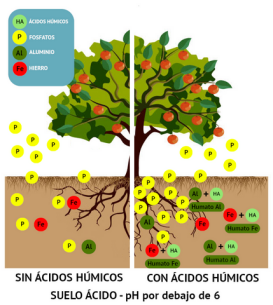
Humic acid prevents soil conditions that lead to runoff and volatilization: the molecules work to rapidly increase organic matter and bind nutrients to soil particles until the plants need them. The molecules of humic and fulvic acid stabilize chemical fertilizers in the soil, reducing the typical 50–80% loss that occurs in most situations. This is an advantage for both the farmer’s budget and the environment.
There are many benefits to using humic substances in your agricultural planting. Their main asset is how they naturally facilitate the absorption and utilization of nutrients by your crops. Fulvic acids are natural chelates. When you introduce the micronutrients your crops need into their environment, the fulvic acids form bonds to protect them from reacting with other ions in the plant environment and potentially being dominated by them. By binding to the chelate, nutrients can travel through the plant roots to their tissues, where the chelating agent can release them.
More organic matter, healthier and stronger plants are far more resistant to diseases and pests. Organic matter serves many diverse functions within healthy soil: it improves soil structure, buffers salts, minerals, and toxins around plant roots, and regulates soil pH.
Stimulates beneficial biological activity.
Humic and fulvic acid contains oxygen in its molecular structure and provides this oxygen to the beneficial soil biology, even if the soil itself is very low in oxygen. Humic acids can be found in two states (solid or liquid), with liquids having undergone a chemical extraction process to obtain the essence and thus achieve higher purity.
Leonardite in Agriculture: The Fertilizer of the Future!
Leonardite is one of those well-known products that is increasingly gaining ground in the agricultural sector, especially due to the boost in organic farming in recent years.
Advantages of Using Leonardite as Fertilizer
- Improves soil structure. Makes soils more porous, especially those with clayey characteristics.
- Facilitates soil water management. This applies both in cases of excess water and in dry conditions.
- Increases plant growth and cell division, thereby enhancing overall plant development.
- Stimulates the supply of oxygen to soil microorganisms.
Do you want more information?
Do not hesitate to contact us for more information! We will provide you with all the details you need about our leonardite, its benefits, and the analysis documents of our product. We can send you a sample, or if you prefer, you can visit our facilities and take the sample yourself. We will give you a guided tour of the facilities and explain everything about our product.