Benefits of Leonardite in Vineyards: Improve Your Vineyard
- Incio
- Benefits of Leonardite in Vineyards: Improve Your Vineyard
Benefits of Applying Leonardite in Your Vineyards
The application of leonardite in vineyards is not simply an addition of organic matter; it is an investment in the long-term health of your soil and in the final quality of the grapes. As a high-quality organic amendment, our leonardite acts as a biological catalyst that transforms soil structure, optimizing every available water and nutritional resource.
These are the key benefits you will notice in your vineyard operation:
1. Water optimization and resistance to water stress
In a context of climate change and recurring droughts, leonardite’s ability to retain up to 30% more moisture in the soil is vital. Thanks to its colloidal structure, it improves porosity and reduces evaporation, allowing the vine to manage water more efficiently during the critical summer months.
2. Nutrient unlocking and improved CEC
Many vineyards are located on soils where nutrients are “locked” due to pH conditions. The concentration of humic and fulvic acids in Ebro Leonardite increases the Cation Exchange Capacity (CEC). This means that fertilizers and minerals already present in the soil become more available for plant uptake, preventing waste and reducing fertilization costs.
3. Root system stimulation (Biostimulant effect)
A strong vineyard begins below the ground. Leonardite promotes deeper and denser root development. A vigorous root system allows better absorption of phosphorus and micronutrients, resulting in more uniform budding and greater resistance to diseases and frost.
4. Improvement of grape organoleptic quality
Soil health directly impacts the winery. A nutritionally balanced vine produces berries with a better balance between sugars and acidity, as well as a higher concentration of polyphenols and aromatic precursors. Leonardite helps achieve an excellent raw material for the production of high-quality wines.
5. Sustainability and Organic Certification
Our leonardite is a 100% natural product, ideal for wineries committed to organic and regenerative viticulture. By applying this soil conditioner, you restore microbial life to the soil, ensuring the fertility of the land for future generations.
Water savings of up to 30% thanks to the use of Leonardite
How does leonardite influence the quality of grapes and wine?
The success of a great winery does not begin in the barrel, but in the terroir. Leonardite acts as the bridge between the soil and the vine, ensuring that the genetic potential of the variety (whether Tempranillo, Garnacha, Albariño, or any other) is fully expressed in the fruit.
By applying Ebro Leonardite, the quality of the harvest improves in three fundamental aspects for winemaking:
1. Balance in Phenolic Ripening
One of the biggest challenges for winegrowers is achieving a balance between sugar ripening (alcohol level) and the ripening of tannins and anthocyanins (color and structure). Leonardite, by regulating plant vigor and improving the transport of micronutrients, promotes a slower and more balanced ripening process.
Result: Grapes with skins richer in color and wines with a smoother and more stable tannic structure.
2. Optimization of the Sugar–Acidity Ratio
Water and heat stress often increase sugar levels while reducing acidity, resulting in flat or overly alcoholic wines. Thanks to the water retention capacity of our leonardite, the vine experiences fewer physiological blockages.
Result: Musts with a more balanced pH and preserved natural acidity, essential for freshness and the wine’s aging potential.
3. Higher Concentration of Aromatic Precursors
A living soil is a soil that transfers identity. The fulvic acids present in leonardite facilitate the absorption of key trace elements (such as zinc or magnesium) involved in aroma synthesis in the grape berry.
Result: Wines with greater aromatic complexity, cleaner profiles, and a more faithful expression of the varietal and soil character.
4. Resistance to Oxidative Stress
A plant well nourished with humified organic matter produces grapes with stronger skins and a higher content of natural antioxidants. This not only protects grapes against fungal diseases in the field but also improves the stability of the must during the early stages of fermentation in the winery.
Expert advice: In precision viticulture, leonardite is not considered an expense but a “soil engineering” tool to consistently obtain premium-quality grapes, even in climatically challenging years.
Application of Leonardite
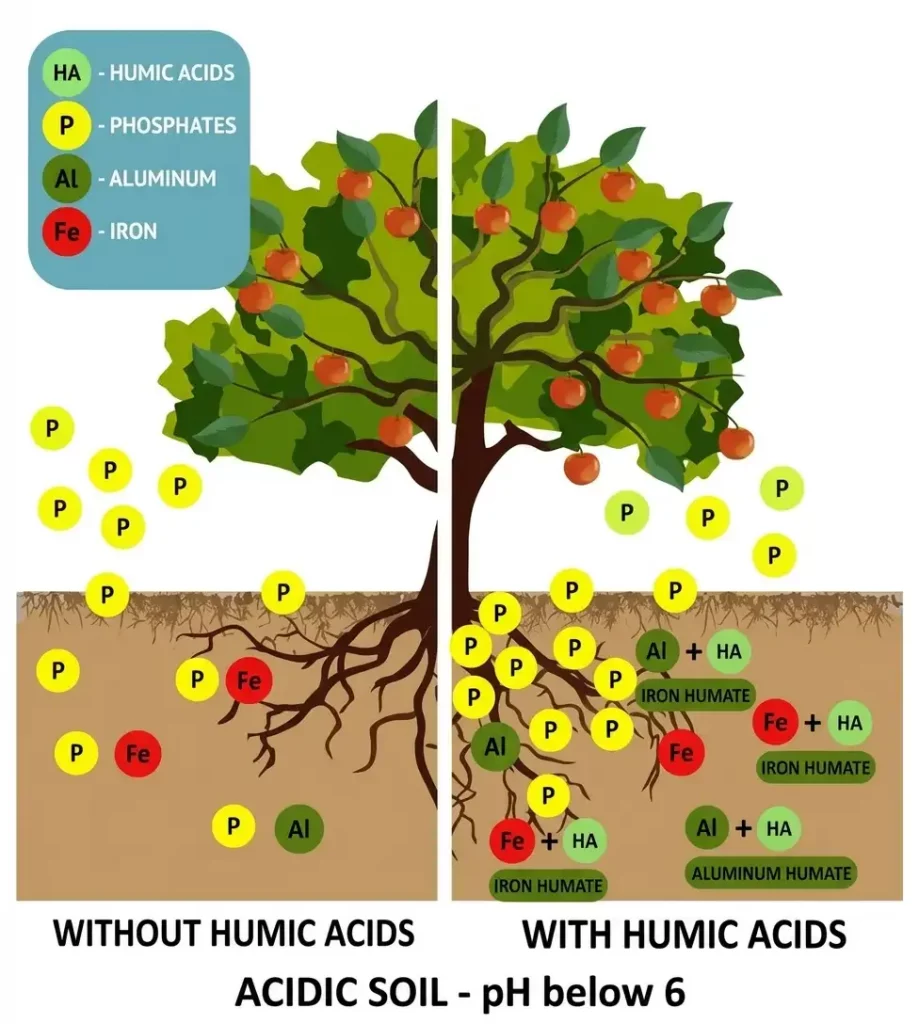
Benefits of Leonardite
- Improves seed germination
- Enhances soil structure
- Improves resistance to frost and drought
- Increases growth
- Facilitates water management
- Leonardite 100% suitable for organic farming
Apply once before sowing, mixing it with the soil to optimize growth throughout the entire crop cycle.
3–4 tons per hectare